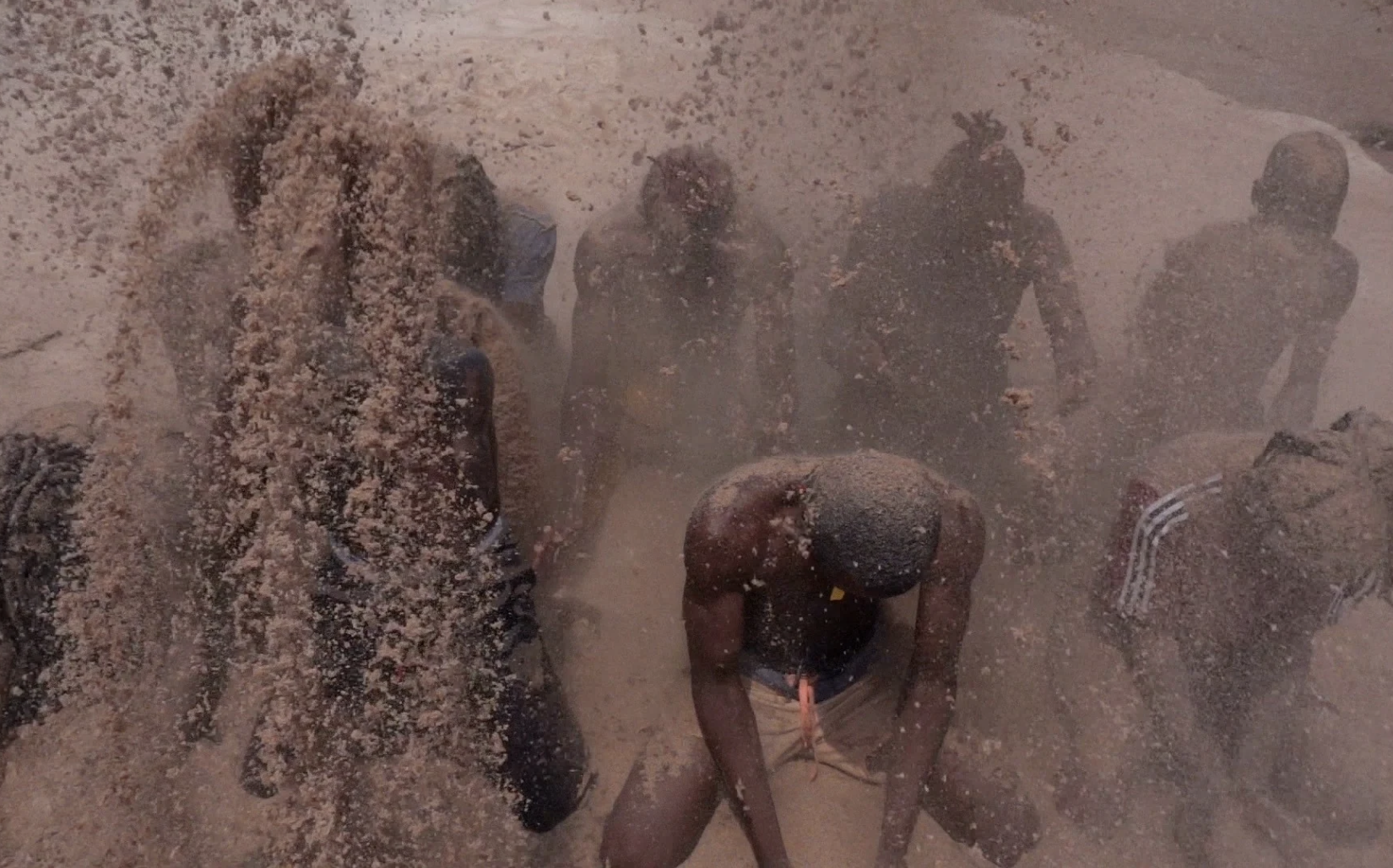
© Nicolas Clauss
Villa Ephrussi de Rothschild
2026
1 Av. Ephrussi de Rothschild, 06230 Saint-Jean-Cap-Ferrat
-
14 Novembre - Ouverture
-
14 Novembre - 28 Novembre
de 10.00 à 18.00
Owned by the Académie des Beaux-Arts, the Villa Ephrussi de Rothschild is a major heritage site on the French Riviera, bringing together an 18th-century art collection, exceptional architecture, and listed, remarkable gardens. The villa was built between 1905 and 1912 on the ridge of Cap Ferrat — an isthmus that was still largely undeveloped at the time — at the inspiration of Béatrice Ephrussi de Rothschild, during the Belle Époque, when the aristocracy was fond of gathering along the Côte d’Azur.
Spreading out like a ship across fifty rooms, the Villa draws primarily from the Italian Renaissance, with its Venetian and Florentine schools of the 15th and 16th centuries, further enriched by references to Flamboyant Gothic.
Exhibition Space:
A vast Renaissance patio invites visitors to discover its elegance and many facets. Influenced by both Italian and Spanish styles, it is designed around a colonnade of pink Verona marble, with capitals evoking the Greek Ionic order; on the upper floor, one can admire a gallery of ornate motifs and its balconies. The patio thus evokes the rediscovered influence of Antiquity on the Renaissance — a departure from the Middle Ages — along with its technical and artistic innovations.