Website map

Website map

OVNi dans la Grand Halle - 109

©Berna_REALE
©Berna_REALE

OVNi at the Grand Halle - 109

2026

89, route de Turin à Nice

The flagship exhibition of the OVNi Biennial, conceived as a fluid departure from the « happening » toward the grace of dance, offers one of the many nuanced reflections on this 2026 edition’s theme: “Performancia.”

Since the 1970s, performance and video art have transformed the body into a topos—a fertile ground for political, social, and aesthetic experimentation. Originally envisioned as a radical, intimate, and situated gesture, the performed body has evolved. Through the lens of video and the rise of digital platforms, it has become a mechanism for the staging of the self, giving rise to unprecedented modes of mediatization.

The exhibition invites visitors on a historical and critical journey through these practices, illustrating how artists have anticipated new « writings » of the body—scripts that are sometimes diverted by contemporary logic and the shifting nature of the performative act. This transdisciplinary and transgenerational survey approaches the body as a site of lived experience, philosophical inquiry, and liberation.

Structured as a series of autonomous episodes, the exhibition calls upon the audience to reconstruct their own interpretation. Here, the body emerges as an event, a political and poetic vessel, and a conduit for plural imaginaries. Navigating the space between historical legacy and the contemporary moment, the artists illuminate the tensions between self-expression, mechanisms of control, and the pull of the spectacular.

“So Many Bodies Growing Within Us” opens vital spaces for the critical exploration of collective identities and cultural transformations, even as they collide with our own enduring relationship to the image.

Nathalie Amae 

Curator
@Abraham PoinchevalWalk_on_cloud

Abraham Poincheval

Walk on Clouds

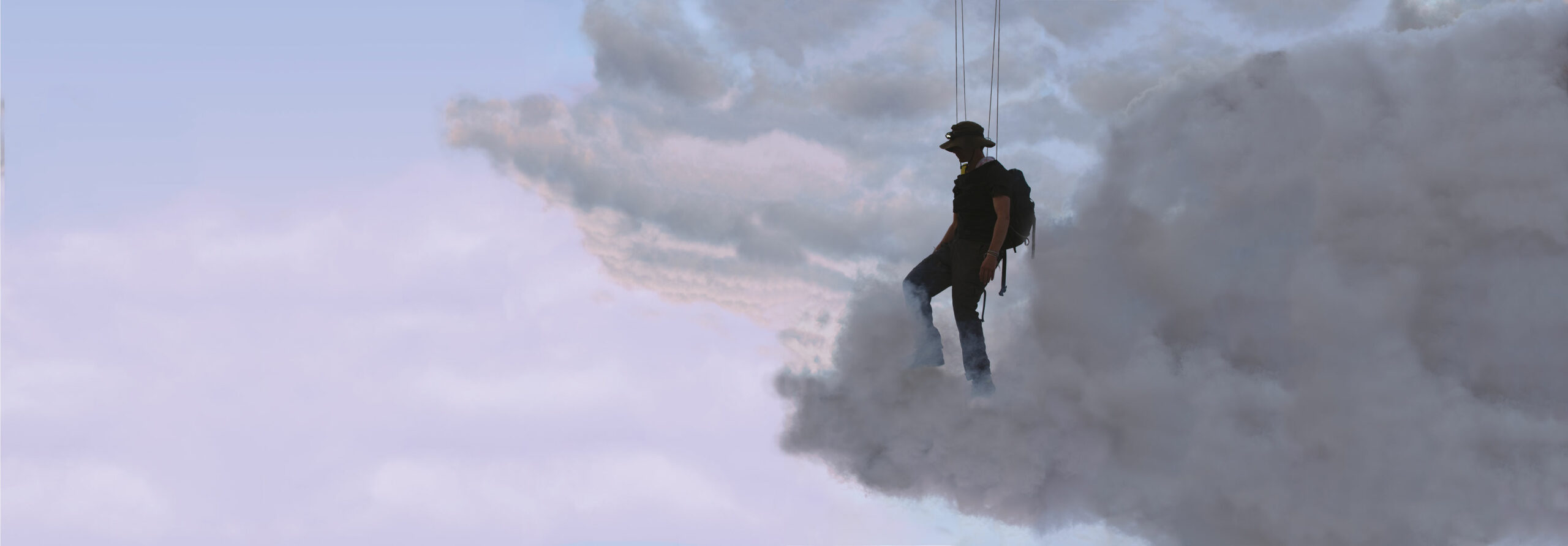
In Walk on Clouds (2019), Abraham Poincheval brings to life one of humanity’s oldest myths: that of breaking free from gravity to tread upon the sky. Created for the 15th Lyon Biennale, this video work chronicles an aerial performance of striking poetry. Equipped with snowshoes and lifted above the cloud layer by means of a hot-air balloon, the artist steps out alone onto a vaporous sea suspended hundreds of meters in the air, transforming the intangible into an ephemeral ground for exploration. With delicate restraint, the film captures this intimate encounter between the human silhouette and the vastness of the heavens.


Through shifting imagery, the walk evokes a paradoxical winter journey, where each step sinks into the mist at the mercy of wind and light. The immersive framing and soundtrack—dominated by the performer’s breath and the soft murmur of the breeze—heighten the illusion of a true walk, creating a hypnotic tension between the weightlessness of reverie and the dizzying physical reality of the abyss.


In contrast to his static performances confined within mineral or metallic shelters, Poincheval here reverses his approach by confronting the infinite. The work transcends mere technical feat to offer a contemplative meditation on the human condition, our yearning to re-enchant the landscape, and the desire to inhabit the impossible. Within this suspended space-time, the body becomes a vessel of wonder, dissolving into the celestial realm.

@Simon Faithfull
@Simon Faithfull

Simon Faithfull

Going Nowhere 2

The art of walking through underwater landscape, or how to go nowhere.


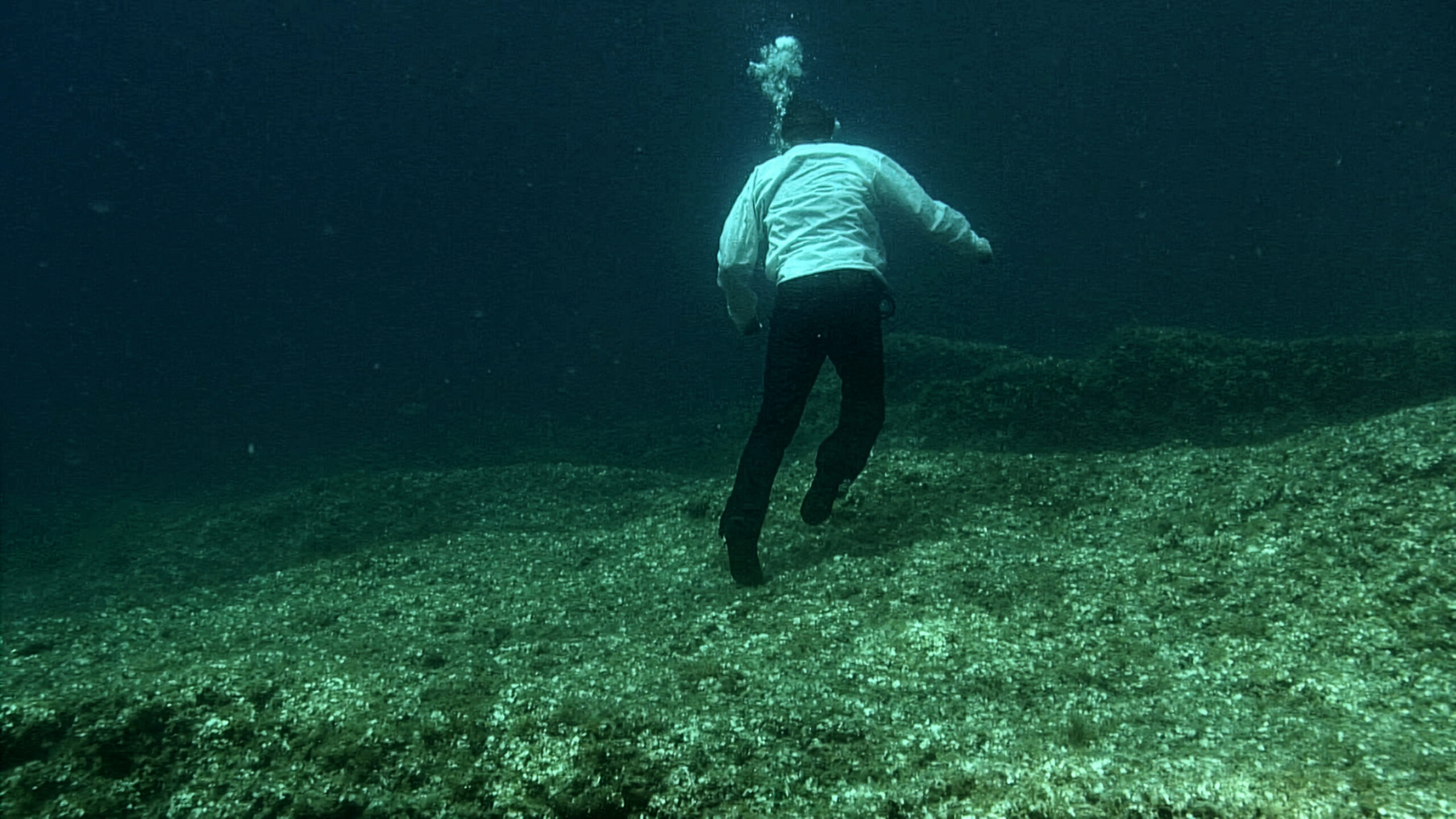
‘Going Nowhere 2′ presents a walk through a landscape at the bottom of the Adriatic Sea.
A figure dressed in jeans and a white shirt walks purposefully away from the camera and steps laboriously through a landscape of fish, rocks and watery light until he disappears into the murky distance. A series of shots capture the figure travelling on his journey through this parallel universe – how is he able to walk 10 meters beneath the surface of the sea or where he is going is not clear, but he seems to have an objective or path that he is following’. S.F


Going Nowhere 2 (2011) by British artist Simon Faithfull is a singular and spellbinding video work lasting just over 5 minutes. It is part of a trilogy (Going Nowhere 1, 2, and 1.5) in which the artist uses his own body to explore the boundaries of our planet, envisioned as a sculptural object. Going Nowhere 2 is a work that is at once lighthearted and deeply melancholic. Through a minimalist gesture of great visual power, Simon Faithfull successfully transforms an impossible action into a universal metaphor for the passage of time, the futility of our modern pursuits, and the fragile beauty of our coexistence—in this particular instance—with the underwater world.

@Berna Reale
@Berna Reale

Berna Reale

Ginástica da pele

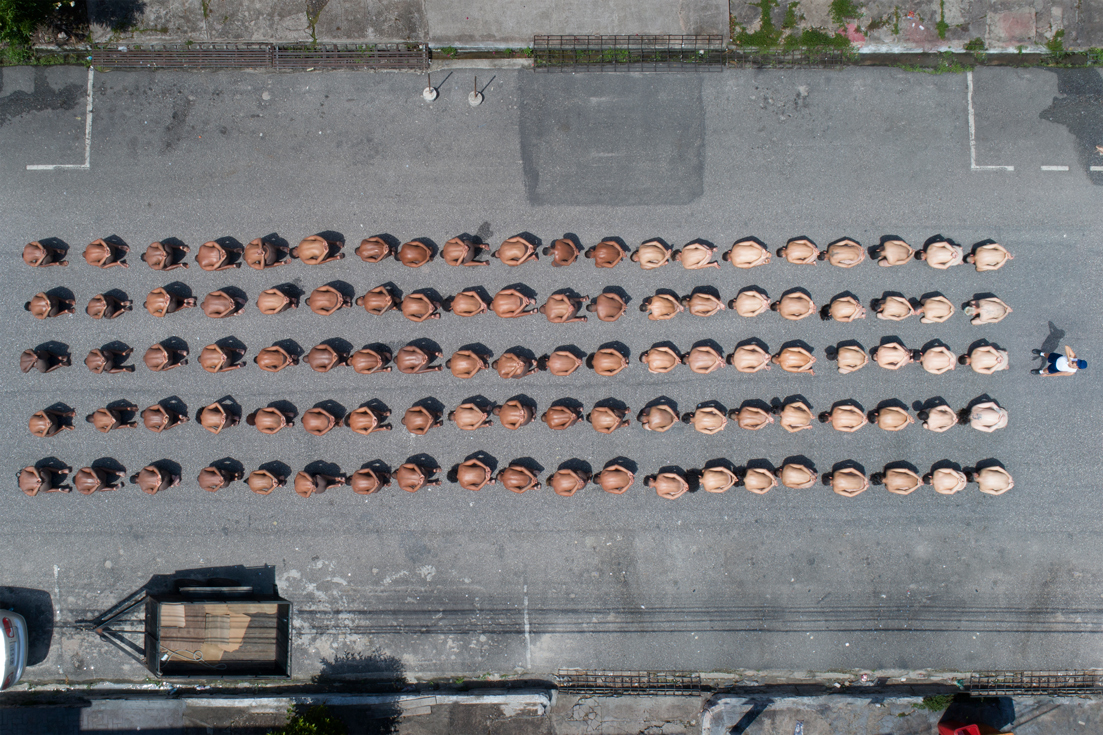
Conceived by Brazilian criminologist and artist Berna Reale, Ginástica de Pele (Skin Gymnastics) is a political performance executed in Belém in 2019. The work brings together over a hundred young people aged 18 to 29 who have been targeted by the police, embodying the social margins and incarcerated youth of Brazil. Dressed in a police uniform, the artist stages the brutality of stops and arrests with biting irony. By simulating the physical wear and conditioning inflicted by law enforcement, Reale exposes systemic racism, state violence, and the failure of an overburdened prison system. Born out of grief following the murder of one of its participants during its creation, this performance transforms the flesh of the oppressed into a vibrant space of resistance and collective denunciation.

@Berna Reale, Palomo

Berna Reale

Palomo

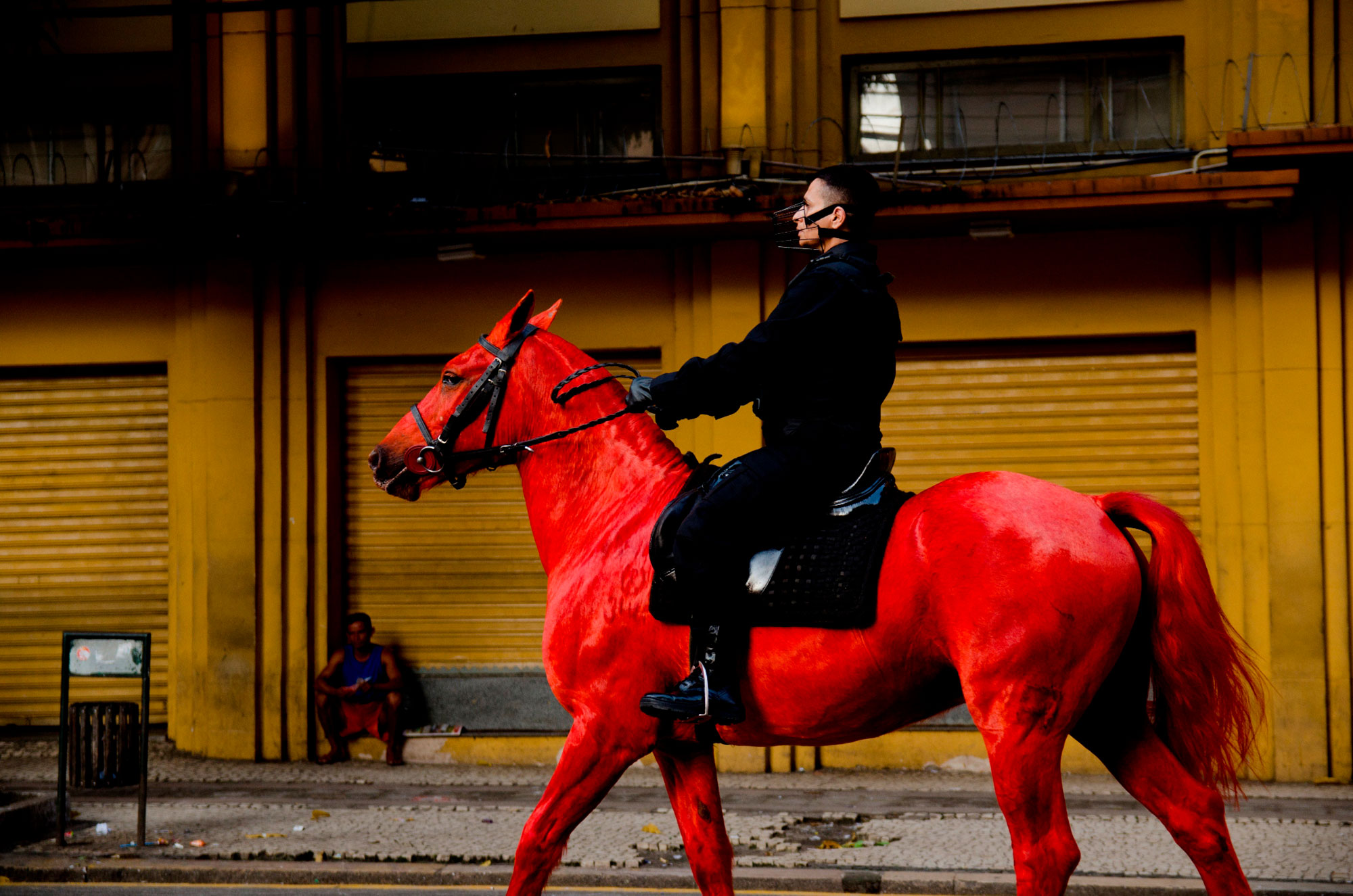
In Palomo, Brazilian artist and criminologist Berna Reale rides through the urban center of Belém clad in a police uniform, her face strapped into a leather muzzle, atop a steed dyed entirely in a striking scarlet red. This spectacular and unsettling apparition takes over the street to subvert traditional symbols of domination. The work’s title references the intervention vehicles of the Brazilian armed forces while subverting the heroic equestrian figure that permeates the history of official art. By linking police authority to the impossibility of speech—materialized by the muzzle—Reale exposes the blind, mute, and arbitrary nature of state violence.


The red hue, saturating the animal’s coat to the point of drenching its flesh, unambiguously evokes spilled blood, the contagion of brutality, and the normalization of state crimes in contemporary Brazil. At the crossroads of political action and visual metaphor, Palomo directly confronts passersby with institutional impunity and a climate of social terror. The artist transforms her own body and that of her mount into a living monument of fierce irony, denouncing the brutality of a power that silences justice and turns the city into a theater of repression.

@Pablo Lobato
@Pablo Lobato

Pablo Lobato

Corda

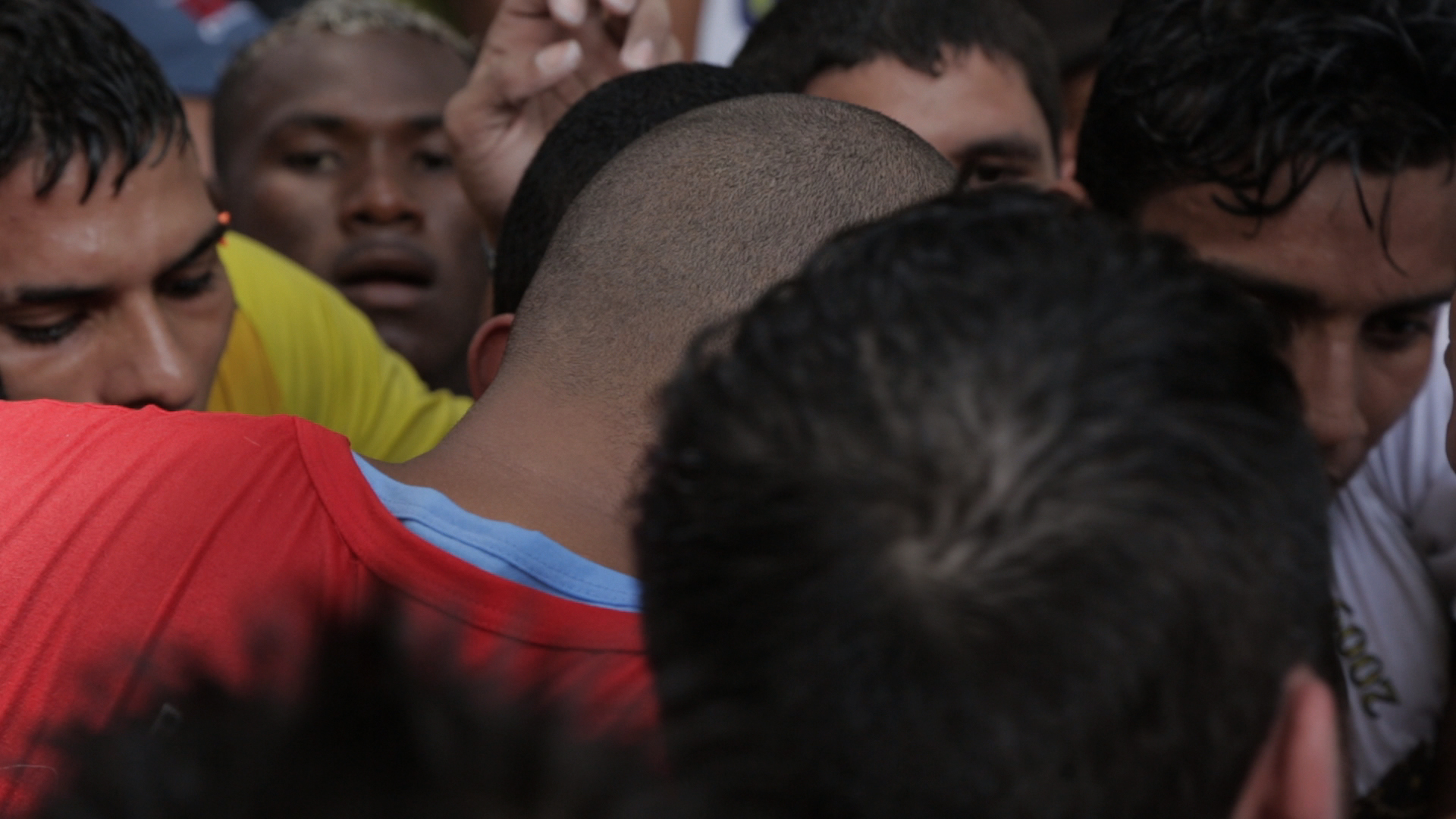
Each year in Brazil, the procession of the Círio de Nazaré in Belém do Pará draws two million pilgrims around an eight-hundred-meter sisal rope pulling the carriage of the Virgin Mary. As the tangible conduit of collective faith, this sacred object becomes the target of a act of ritual disobedience: certain devotees sever it with knives to preserve a fragment as a talisman. Pablo Lobato’s video work, (Cortar a) Corda, captures this pivotal threshold where devotion paradoxically manifests through the destruction of the communal bond. Refusing the detached posture of traditional ethnographic documentary, Lobato fashions an immersive apparatus rooted in an aesthetics of the fragment. The camera spurns the panoramic spectacle, choosing instead to linger on bare feet, clutching hands, and sweat-glistening faces, parsing the crowd into a network of straining anatomies.


The video staging contrasts the linear march of the procession with the sudden turbulence unleashed by the rift. Screened in a loop with tight framing, the film disorients the viewer, plunging them into the depths of physical exertion and trance. The soundtrack, crafted by Anderson Guerra through the striking of piano strings, resonates directly with the sisal rope, transmuting the visual incision into an acoustic shockwave. By probing the concept of profanation, the work illustrates how the pilgrim fractures institutional unity to unlock a singular, intimate relationship with the sacred. Lobato thus elevates this popular ritual into a evocative metaphor for individual emancipation amidst collective structures.

@Mohsin Taasha, The reds move

Mohsin Taasha

Red Moves

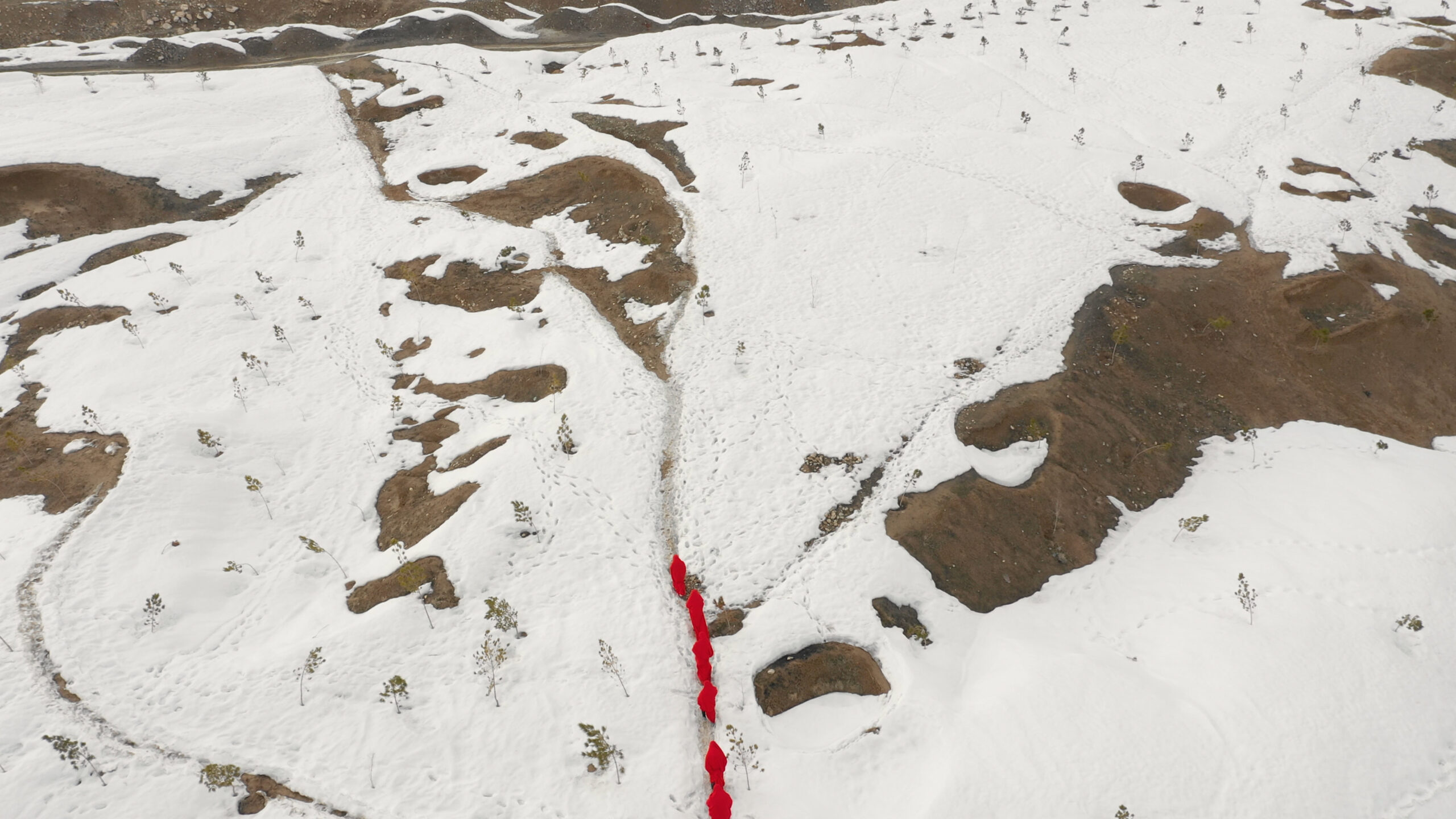
For several years, Mohsin Taasha has been developing a cycle entitled Rebirth of the Reds, expressed through paintings—incorporating watercolor, silver leaf, and traditional miniature techniques—and video. This project stands as a direct response to the discrimination, violence, and targeted attacks against the Hazara community in Kabul. The title references the blood shed by innocent victims alongside the resilience of the survivors. Figures draped in vivid red symbolize the souls, martyrs, and bodies of those lost. By transposing this performance from canvas to video on Kabul’s Tappa-e Shohada hill, The Reds Move brings motion to the forefront; this displacement mirrors the trajectory of memory, exile, and the pursuit of justice. The poetic choreography of the performers upon this memorial site explores the tension between physical disappearance and a silent, spiritual force of resistance, affirming the enduring persistence of life, identity, and history.


Vidéaste : Jordan Bryon

Interprètes / Cast : Troupe de théâtre Sorkh-o-Safid (« Rouge et Blanc »)

Tournée à Tappa-e Shohada (la « Colline des Martyrs »), Kaboul, Afghanistan

@ Maider Fortune, Licorne

Maïder Fortuné

Licorne

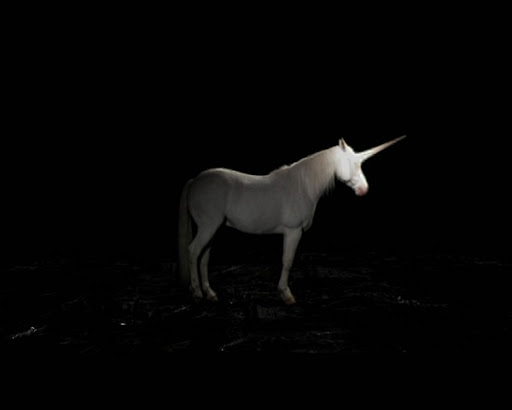
Commissioned by the Musée de la Chasse et de la Nature, this work offers a hypnotic journey through the myth of the Unicorn. Emerging from a dense, unfathomable darkness, the legendary creature steps forward in extreme slow motion. Maïder Fortuné strips the animal of its traditional fairytale attributes to recast it as an almost spectral apparition, its white coat catching the light with haunting intensity. Set within a dark and neutral space, the unicorn stands motionless, confronting the viewer directly. Through an extreme deceleration of the image, the light initially discloses only the fragmentary contours of the animal: the horn, the mane, the nostril, the line of the back. The creature appears to float in an abyssal void, embodying to perfection the chimerical figure of our collective imagination.


Gradually, a fine, artificial rain of black ashes begins to fall upon the beast. As the rain intensifies and settles onto the coat, it unveils the deceit. Moving from enchantment to disillusionment, the tight framing slowly lays bare the materiality of the illusion: the focus adjusts, and the kinetic rhythm restores the image to its status as a recording of reality. Beneath the luminous projections and cinematic artifice, the mythical creature dissolves to reveal the physical, material, and almost vulnerable presence of an ordinary disguised horse. The horn itself proves to be nothing more than a fitted prosthesis, an artifact placed upon the animal’s muzzle. The singular power of the film resides in this temporal and formal shift. Through this silent metamorphosis, the artist interrogates the construction of wonder and the fragility of our collective representations at the threshold between the visible and the real, reincorporating the concept of the living along the way.

The viewer is confronted with their own longing to believe in wonder, while simultaneously witnessing the stripping bare of cinematic mechanics. The frame becomes a site of revelation where the desire for enchantment collides with the disappearance of the icon and its original status as a mental projection. The gaze is thus transformed into a contemplative act, sustained by a hypnotic soundtrack.


 Directing Editing: Maïder Fortuné
Sound:Winter family
Commissioned by the Musée de la Chasse, Paris.

@ End, Lucien Pelen
@ End, Lucien Pelen

Lucien Pelen

End

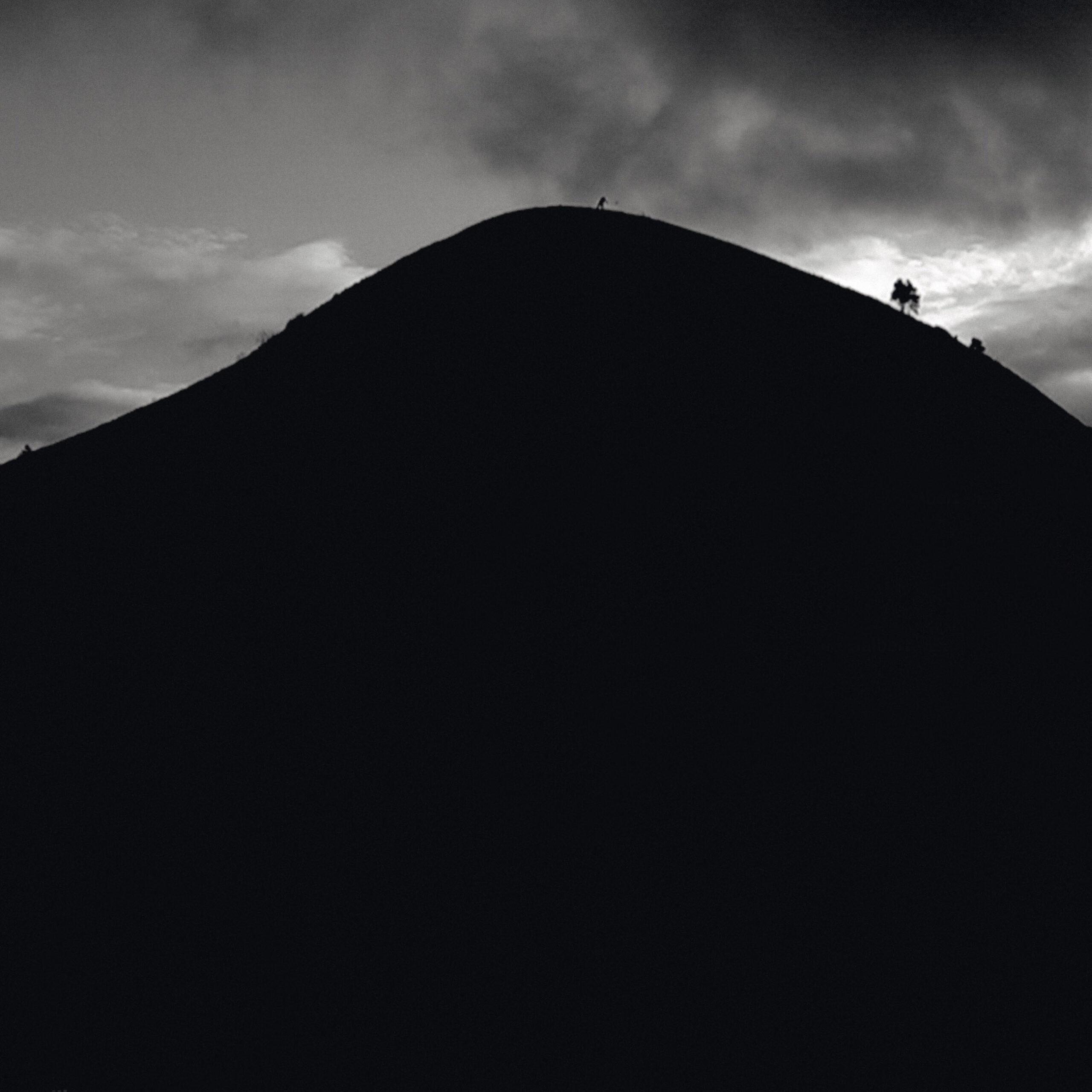
En Perched atop a ridgeline, a man in city attire gazes out over a landscape of valleys before embarking on an incongruous performance: the methodical crafting of a botanical arrangement directly upon his own body. In Le Villageois, Lucien Pelen continues his poetic surveying of the terrain, inscribing his silhouette within the vast expanse of the Auvergne landscape.


By fusing with nature to the point of absurdity, the artist re-enacts motifs of camouflage and rituals of immersion. The brevity of the video format captures a poetic act wherein the artisanal gesture—at once displaced and repetitive—oscillates between an attempt at blending into the landscape and the admission of an irreducible estrangement. Both performer and observer, Lucien Pelen subverts the traditional codes of landscape representation and Alpine Romanticism. With no live audience present on site, the camera alone bears witness to this solitary presence. Le Villageois thus questions our contemporary relationship to rurality and the wild: a burlesque, melancholic, and contemplative dialogue in which man seeks, not without a touch of derision, to reclaim his environment.

@Musa N. Nxumalo, The Young Shall Grow

Musa N. Nxumalo

The Young Shall Grow

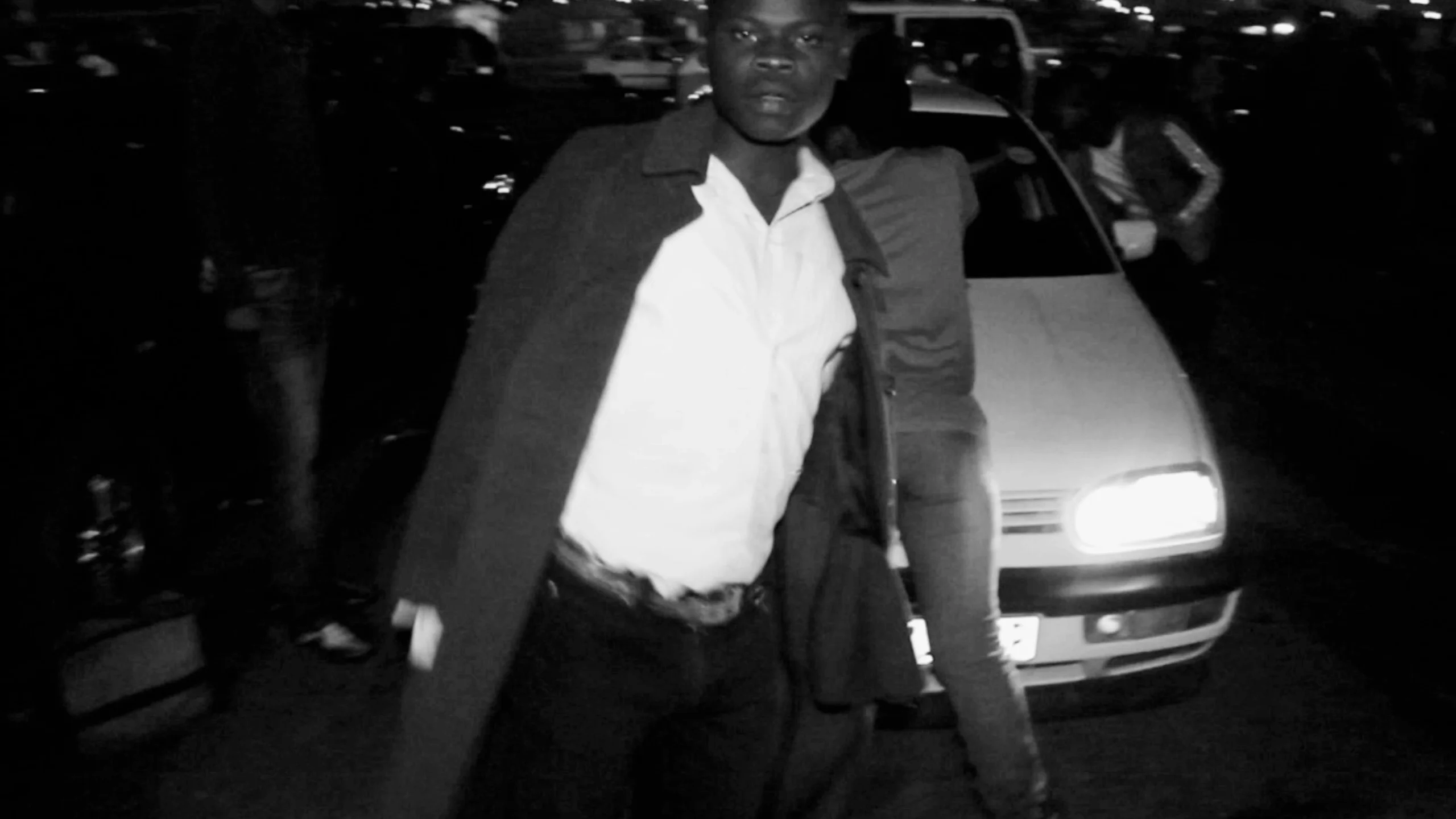
In his latest video work, The Young Shall Grow (I), Nxumalo translates his photographic research into the language of video art. The eight-minute piece follows a young man returning home after a night of celebration in Johannesburg. Between the gentle rain and the quiet dawn, his journey becomes a meditation on growth, memory, and the search for identity in a city oscillating between splendour and fragility.
The artist captures the contradictory atmosphere of the South African metropolis: streets still marked by social divisions, walls and gated spaces, shopping malls that symbolize both consumption and exclusion. Against this urban backdrop, the young man embodies a generation moving between euphoria and introspection, between collective noise and individual solitude.
Nxumalo’s camera operates with proximity and sensitivity, illuminating bodies, gestures, and silences with a light that reveals intimacy within the everyday. In this gesture, The Young Shall Grow (I) becomes a collective portrait of contemporary South African youth: a moment of transition between night and dawn, between the desire to belong and the need to reinvent oneself.

©Caner_Teker_Remedy
©Caner_Teker_Remedy

Caner Teker

Remedy

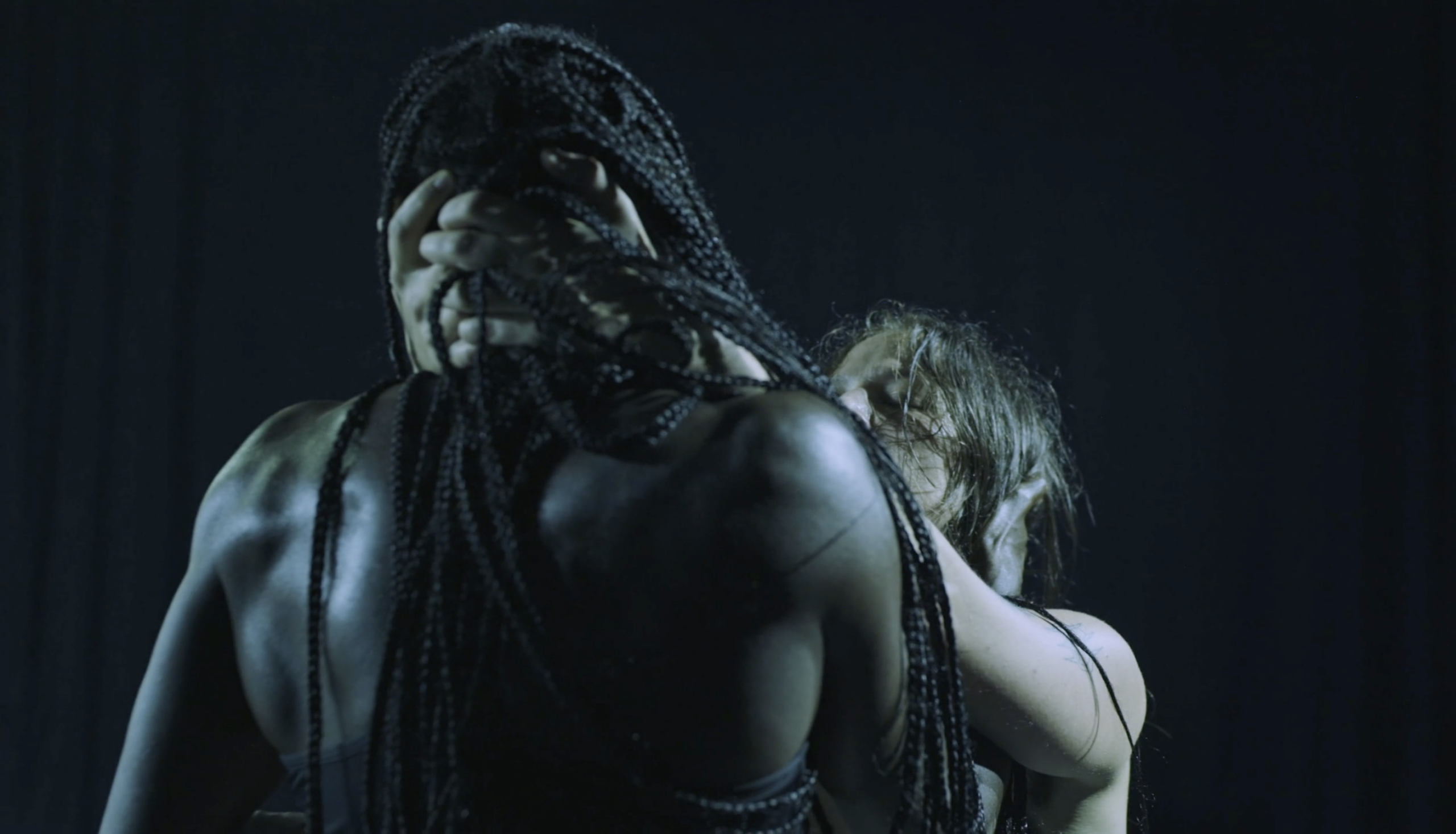
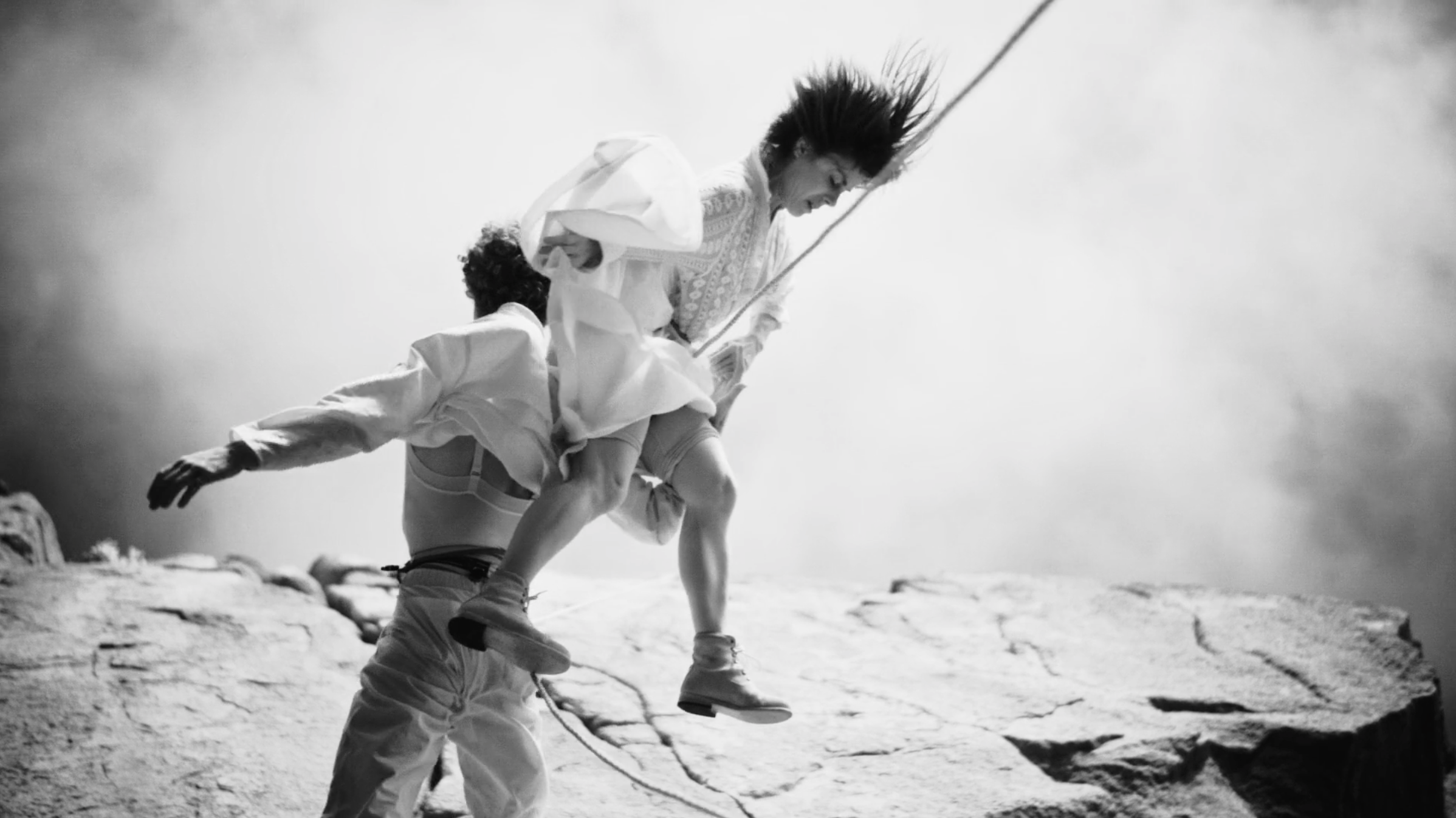
In remedy, caner teker translates the performance killjoy into a filmic encounter. Inside a theatre space, two performers move through the fragile distance between affection and conflict. Their fight becomes a choreography of care, a negotiation of touch and power. The camera stays close to gestures that shift between resistance and tenderness, tracing how the body remembers loss. What unfolds is not reconciliation, but relation in motion, unfinished and exposed. remedy continues teker’s search for how grief and intimacy appear through movement. It asks us how conflict can hold connection, and how love can remain within moments of rupture.

@Cao Guimarães
@Cao Guimarães

Cao Guimarães

From the window of my room

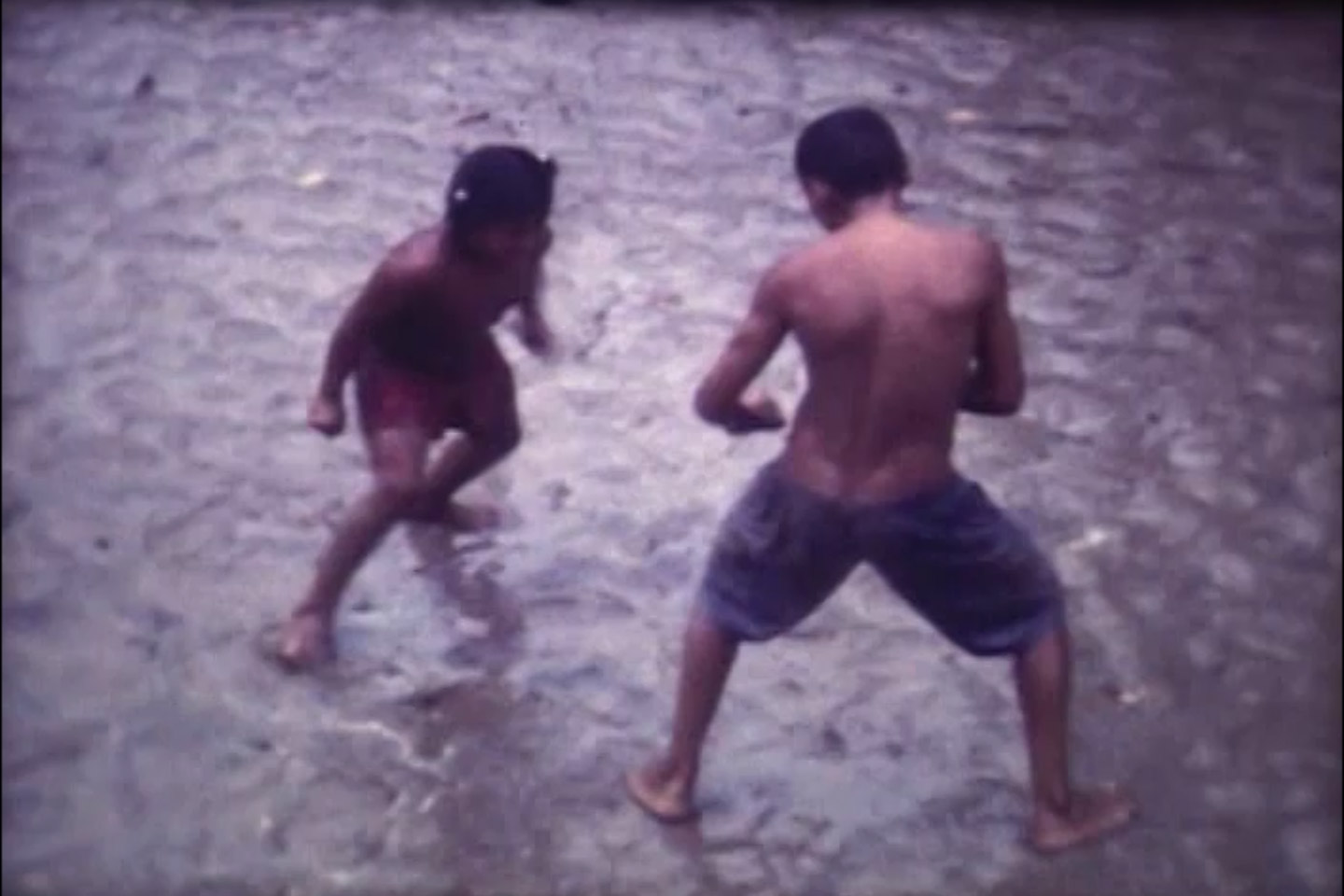
Part of the Historias Curtas (« Short Stories ») video series, Da Janela do Meu Quarto stands as an exemplary study of the artist’s poetics of the everyday and the infra-ordinary. Through a fixed frame and a voyeuristic yet benevolent distance, the film captures a suspended moment: two children playing beneath a pouring rain in a courtyard, rolling in the mud in a physical struggle that is both playful and unbridled. First and foremost, the posture of the filmmaker is defined by an ethics of the gaze and the mechanics of the frame. By filming from his bedroom window, Cao Guimarães adopts the position of a silent observer who gathers the world without altering it.


The window functions as a frame within the frame, extracting a fragment of reality in which the boundary between the viewer’s private sphere and the public space of play dissolves in favor of pure aesthetic contemplation. Ultimately, the work celebrates a micropolitics of freedom and presence. Set apart from urban turmoil and grand narratives, this capturing of children at play illustrates Guimarães’s ability to uncover wonder within the simplicity of ordinary gestures. The bodies entwined in the wet earth reenact a primal innocence and total surrender to the present moment, elevating a mundane domestic scene to the status of a poetic allegory on grace and lightness. The primacy of sound serves as the second pillar of the film. The director chooses to mute the children’s voices, retaining only the organic soundtrack of the continuous pitter-patter of rain. This immersive choice transforms the visual experience into a tactile and rhythmic one: the sound of water striking the earth mirrors the materiality of the mud and the raw energy of young bodies, plunging the viewer into a state of deep sensory absorption.

The Game Bakers
The Game Bakers

The game bakers

Cairn

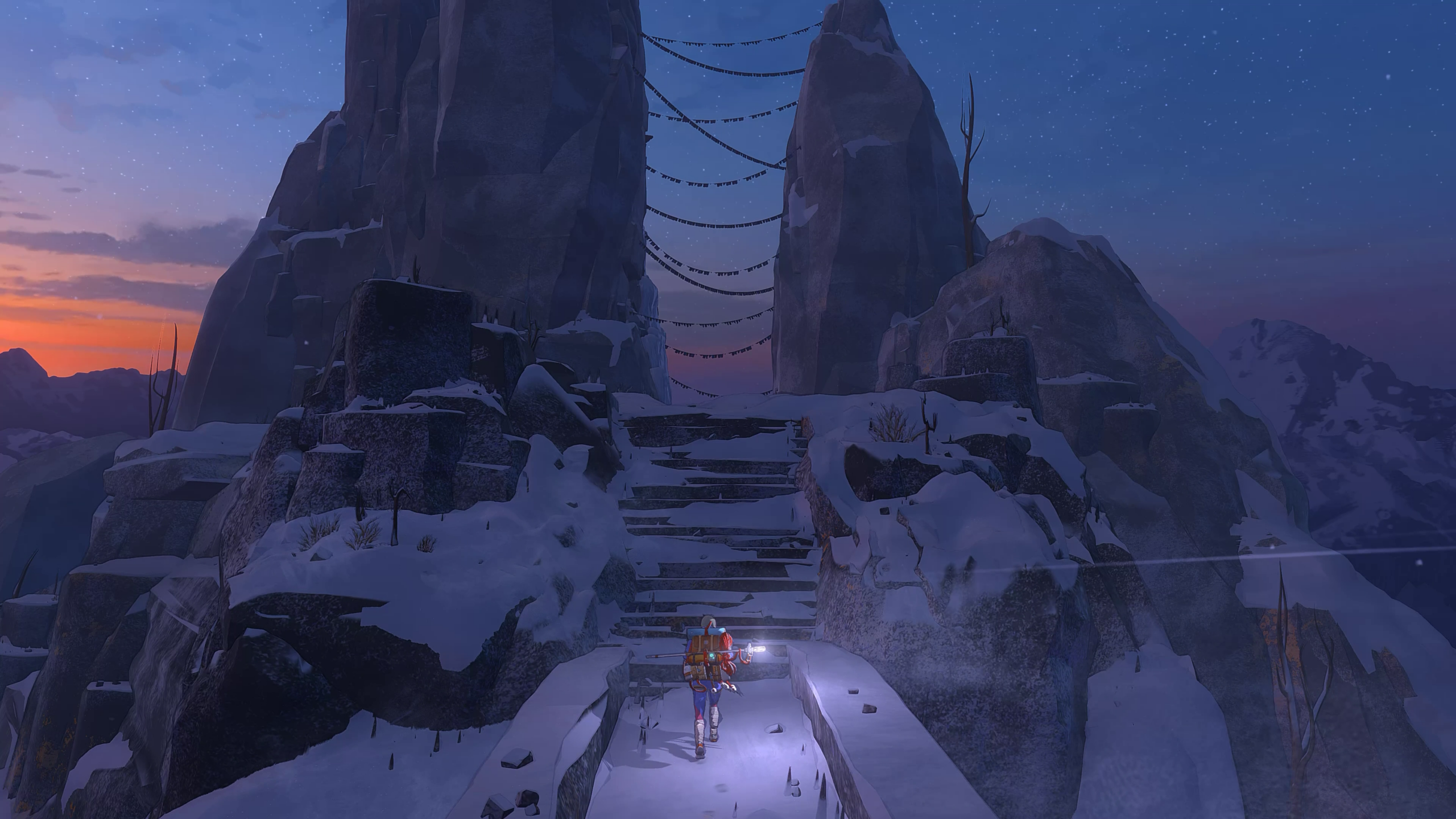
Cairn offers a disconcerting and highly original proposition within the realm of video games. This stems not only from its narrative depth but, above all, from the prospect of a never-before-achieved ascent: that of Mount Kami (a name referencing the Gods in Japanese). Beyond its cinematic visual prowess, the sheer tension of the art of climbing converges with a true trial of both body and mind. The economy of effort must align with resource management, including those vital for survival. As multiple paths unfold, scaling the mountain becomes a challenge of poetics. Inevitably, René Daumal’s Mount Analogue comes to mind; these alpine adventures—by virtue of being a concrete endeavor—reveal themselves to be a profound spiritual allegory.

« Thus, this game of climbing and introspection by The Game Bakers (Furi, Haven) leaves no one unmoved. The character of Aava sets her sights on ascending Mount Kami. There, she will discover the law of the mountain, and learn far more about herself and others. At the very heart of the game, the climbing is intuitive: placing ice axes, positioning the body and limbs wherever the path seems most forgiving. You move in free-form progression, set up camp, explore the mountain, and learn about the land as well as its inhabitants. You gain access to the experiences of past expeditions. Ultimately, it is a game about the meaning of life within the environment we inhabit.


@Fu Le
@Fu Le

Fu Le

Nouage

French choreographer and director Fu Le heads the Tetrapod company. Rooted in contemporary dance and sculpture, he first turned to film out of a necessity to archive his nomadic performances. Now acclaimed on the international screendance circuit, he has crafted a body of work that gracefully weaves movement, the human form, and cinema, earning accolades at specialized festivals worldwide.


Fu Le conceives film as a choreographic partner in its own right. Through his lens, the camera transforms into a body in motion whose framing and fluidity govern the pulse of the piece. He favors long, immersive takes that seize the raw vitality and immediate vertigo of the moment. Unbound by the stage, he delves into the intimacy of physical sensation—playing with shifting scales, treating the surrounding environment as a malleable medium, and engaging directly with real space. At the crossroads of screendance and politically conscious performance, his artistic vision brings to light the body grappling with the pressing issues of our time.

@VIMALA PONS
@VIMALA PONS

Vimala Pons

I promise I’ll come and rescue You

« I promise I’ll come and rescue You » film, 42’, couleur, 2025


With I promise I’ll come and rescue You, Vimala Pons pursues an enduring line of inquiry rooted in the detournement of the everyday objects and forms that populate our lives. Originally conceived as an installation before being reimagined for the cinema, this video work draws upon forty stock footage fragments—those slick, standardized « 4K stained-glass windows » that have become the ordinary mythologies of our era.

Through meticulous observation, repetition, and post-synchronization conducted alongside Loup Gangloff, the artist de-illustrates these generic representations. By watching for the secondary detail, the involuntary gesture, or the flaw within these visual loops, Vimala Pons lends her voice to a series of interior monologues.


Intrusive thoughts, mantras, and attempts at solace collide, transforming mundane scenes of consumption into a polyphonic mental landscape where the neuroses and alienation of a waning, late-stage capitalism surface.

The title posits the promise as an act of love and a poetic principle: an impossible yet vital commitment aimed at protecting the other from oneself. Rather than adding new images to a saturated world, it seeks to look differently at those that already exist, until mystery and an inner life are injected back into them. Suspended between hypnotic contemplation and critical inquiry, I promise I’ll come and rescue You invites us to navigate these dissonances and inhabit the murky space between what we see and what we think.


Scénario  :  Vimala Pons

Image  : Vimala Pons

Montage  : Vimala Pons et Loup Gangloff

Son  :  Lou Gangloff / DMRA

Composition musicale originale : Loup Gangloff / DMRA

Production  :  Anne Barrault (galerie anne barrault)