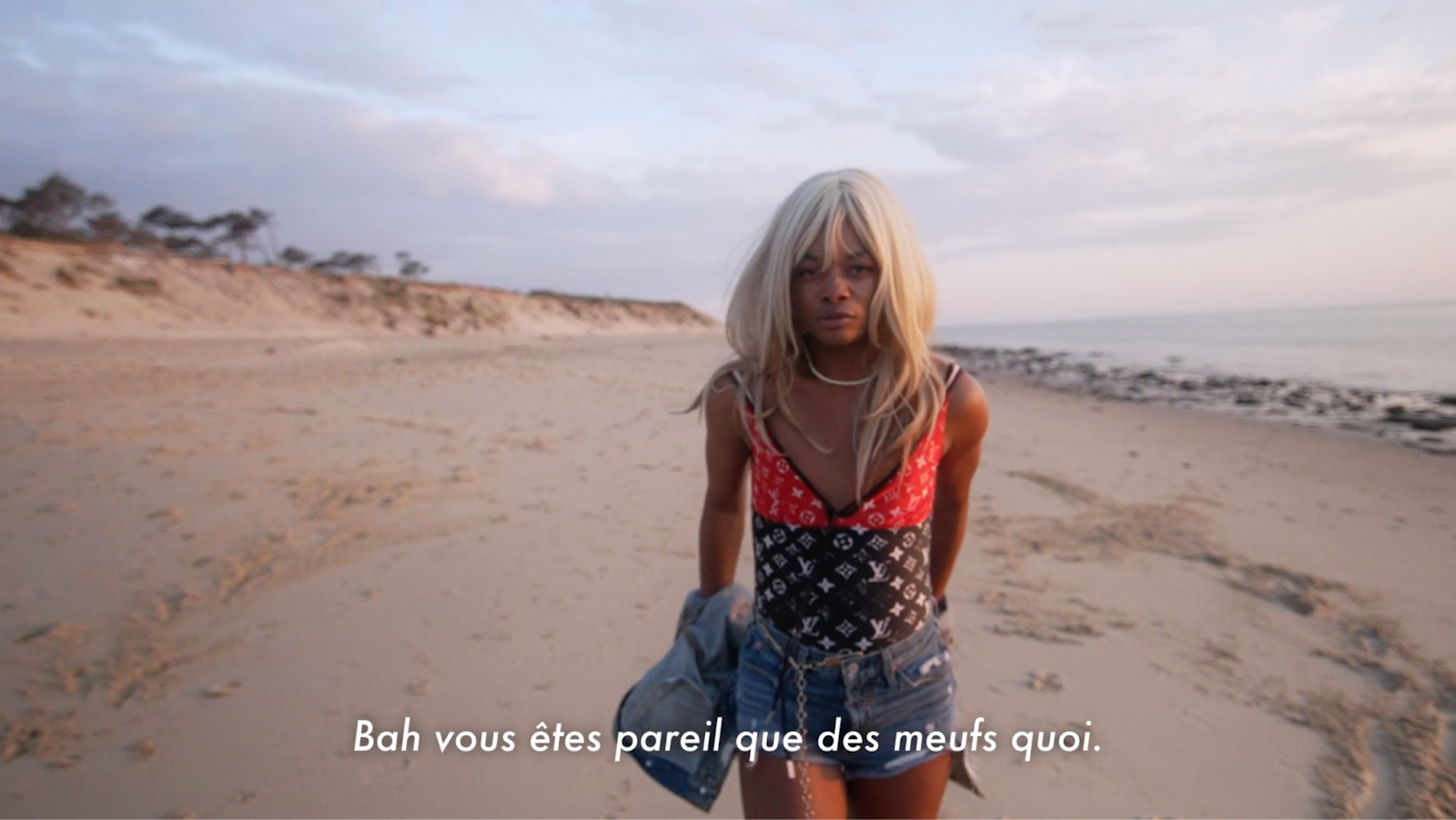
Cristiano grew up on clips of J-Lo and those 2000s divas who are also gay icons. It’s strange to realize that, as a teenager, it was easier to identify with heterosexual women than with the representations of men we were offered. (…) The men who catch Cristiano’s attention share one thing in common: they are discreet. While they use Grindr’s categorical labels to define Cristiano — trans, trav, sissy — they themselves are reluctant to define themselves. They are not gay, they are not bi. Apparently, their practices don’t constitute their identity. Cristiano listens to them with gentleness and curiosity. Before and after their encounters, in the little social time they grant him. » — Samy Lagrange
A graduate of the École supérieure des beaux-arts de Bordeaux in 2022, Cristiano Codeço De Amorim develops an autobiographical and transdisciplinary artistic practice retracing his journey and feelings, from a childhood in Portugal to his life in France since 2007. His work explores a process of awakening through installations, mediatized performances, videos, writings, sculptures, and drawing. Through the lens of family, Cristiano addresses subjects such as immigration, working-class identity, gender, homosexuality, and self-acceptance — through femininity — while questioning masculinity, perceived as a problem to be solved, and sexuality, seen as an enigma to be deciphered. All of it sprinkled with pop culture. Digital platforms and social networks inspire him and become his playgrounds.
Prix Utopi.e #3 CWB
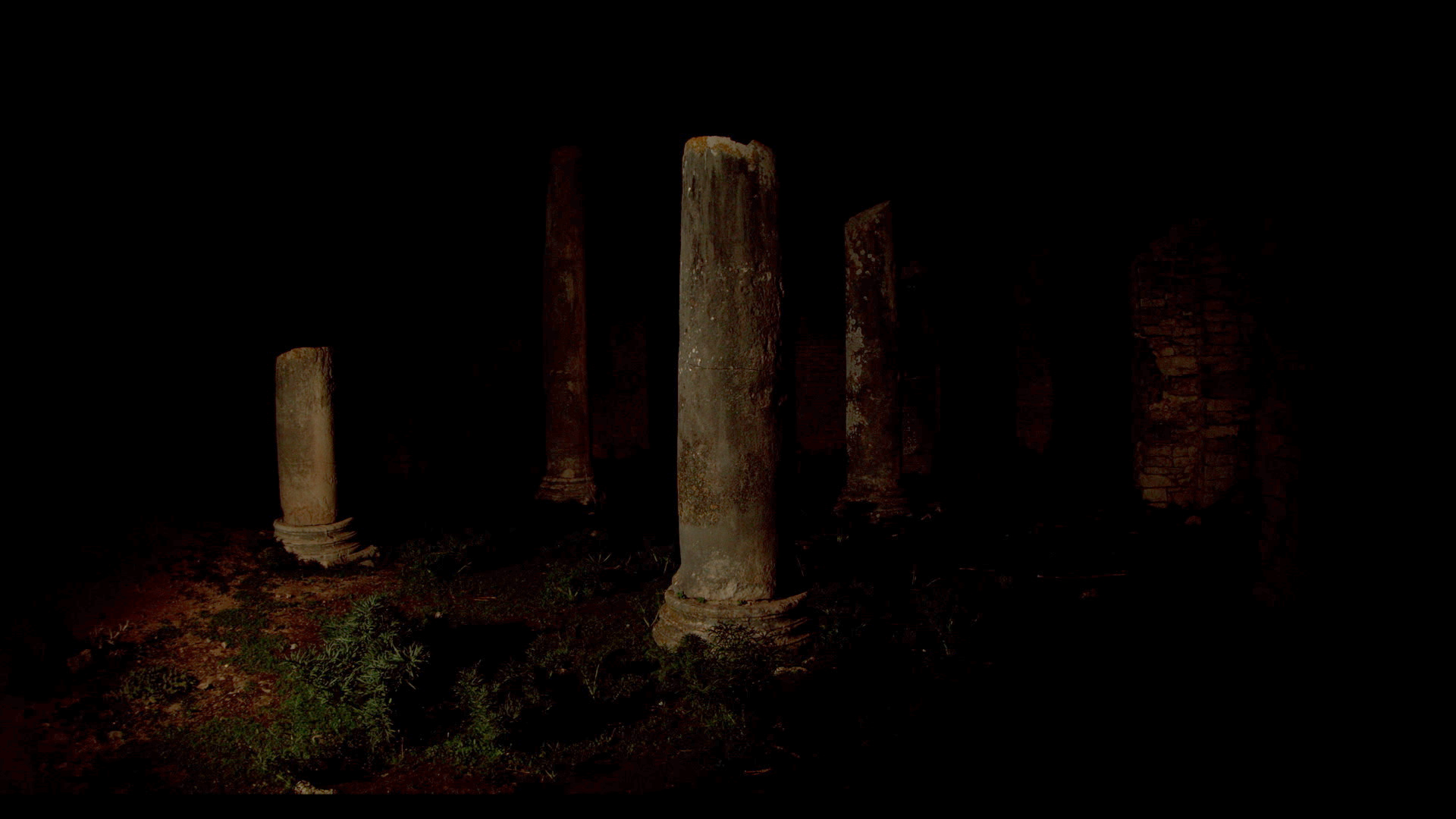
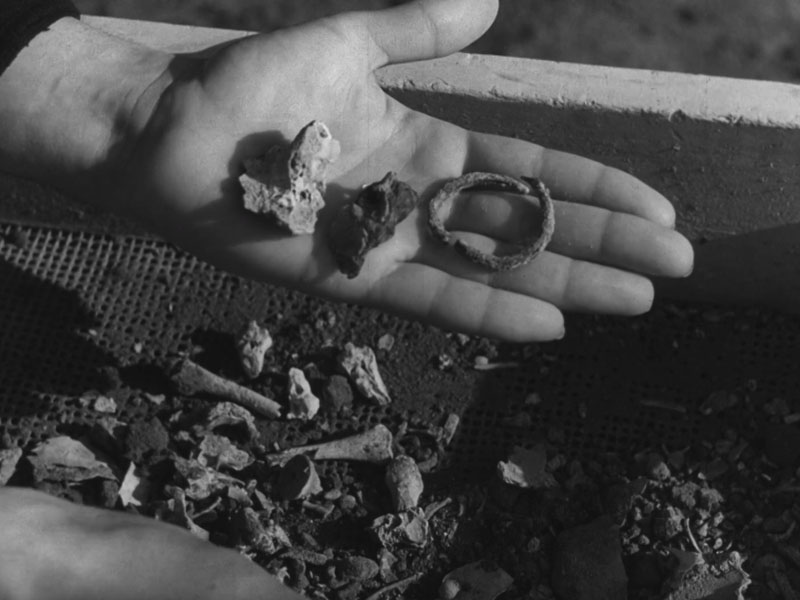
The film Images de Tunisie unfolds as a counter-ethnography, situated between archival documents and personal footage. Camera held as an extension of the body, the artist questions the image’s capacity to shape a narrative.
IMAGES DE TUNISIE repurposes and recontextualises archival material drawn from newsreels produced by Les Actualités Françaises in the 1940s, weaving them together with newly shot footage filmed at the same sites of vernacular Berber architecture in southern Tunisia. These black-and-white documentaries once served French propaganda in the colonies of North Africa, Tunisia among them.
Younès Ben Slimane explains: « The film’s title refers to Georges Barrois’s ethnographic documentary Images de Tunisie(1946), which intrigued me for its capacity to create images and shape narratives. I returned to these sites to reinterpret them through a personal lens, using a handheld camera that becomes like an extension of the body. »
Moving between archive and intimate material, the film generates a fertile tension between these two registers of imagery. This interplay becomes the film’s keystone, transforming it into a meditation on the evolution of cinema and its power to reinvent narrative.
Younès Ben Slimane is an artist and filmmaker, a graduate of Le Fresnoy in 2022. His practice sits at the crossroads of cinema, architecture, and the visual arts. Through his work in film and installation, he brings these different mediums into dialogue, better unfolding their potential and their limits.