27 novembre visite pro.
28 et 29 novembre 14h00 à 19h00
An overview of the exhilarating and provocative art of the music video.
The 1980s saw the arrival of the web and the music video, which succeeded the 16mm film reels of the ill-timed invention of the Scopitone1, a jukebox with images. A rapidly expanding visual medium within the music industry, the music video has established itself as one of the most hybrid and ephemeral forms of media expression, with the invention of the GIF in the 1990s further challenging the sound of raves and free parties. For his part, film critic Serge Daney described the music video as “someone who leads you down a series of shortcuts without daring to tell you that, in any case, he doesn’t know the real way.”
“Seeing Song – A Sonic Portrait of Video Art” explores the intersections between musical creation, songs, experimental film, choreographed performance, photography, cinema, comics, and myriad forms of celebrating the world—from the television screen to the internet, all the way to the Web 3.0 era. A visual odyssey in which music videos and video music become a playground for subverting the short-form format, transforming it into a laboratory for radical experimentation. Through creative collisions, this exhibition-event traces the evolution of a genre that has successfully absorbed every technological revolution. “Le corps chanté” 3 becomes a narrative that celebrates the electrifying encounter between pop icons and the greatest visual artists, blurring the line between auteur film and advertising film along the way.
The exhibition venue is no less exciting: the rooms of the Hôtel WindsoR—total works of art created by artists since the late 1980s—each host a jubilant episode of this music video mythology.
A total immersion into the heart of a diverse genre. Get ready for a sensory explosion: music is meant to be listened to, danced to—and at OVNi, it’s all of that at once, and more—it’s a feast for the senses.
Artistes:
Ludovic Houplain/Chloé
Sylvain Dufayard & Maxime
Grayt/Coming Soon
Raman Djafari/Coldplay
Roman Coppola/Daft Punk
Fleur & Manu/Étienne de Crécy
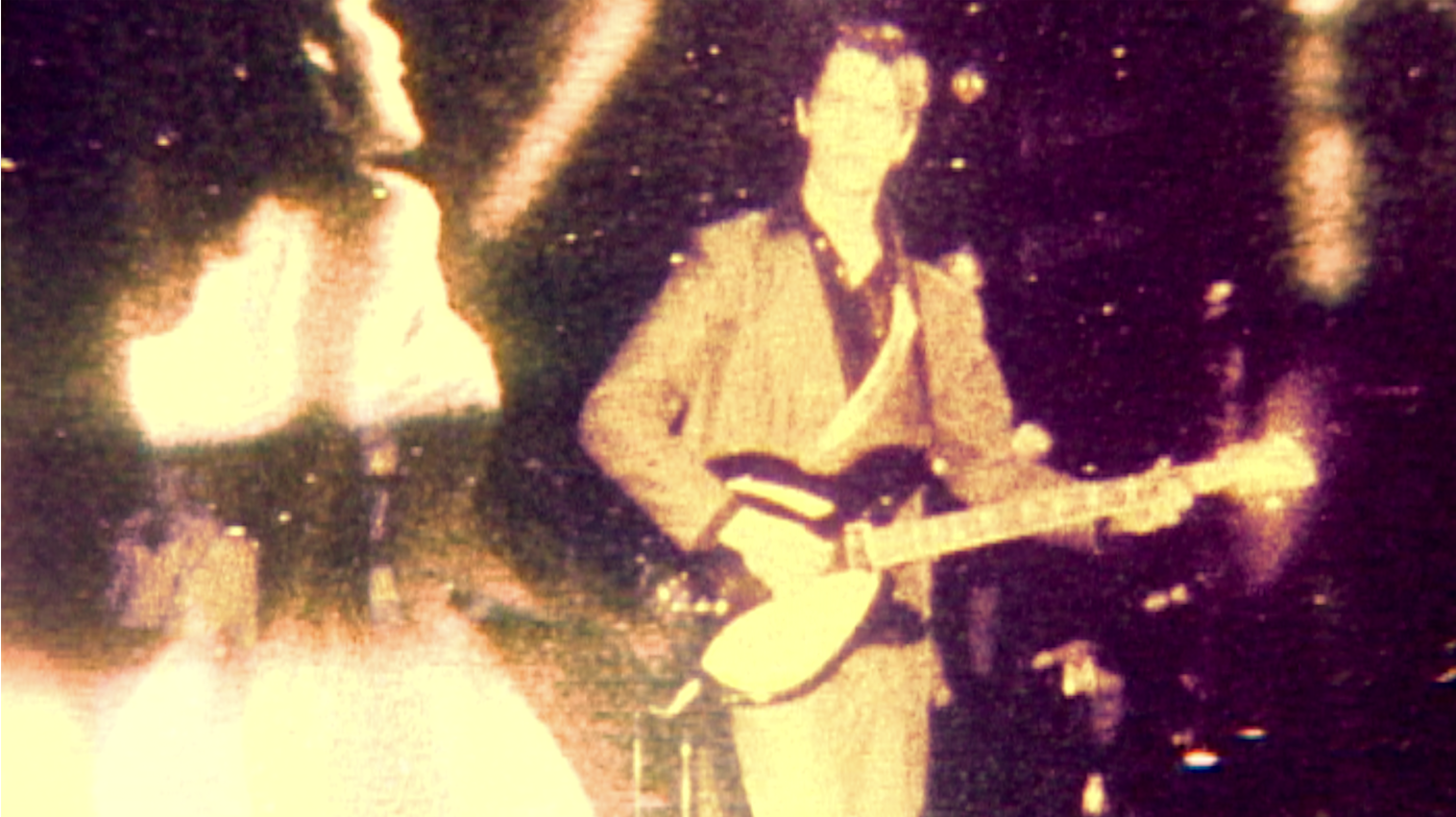
Ange Leccia/Jacno&Lio
Luc Peter/Christian Marclay
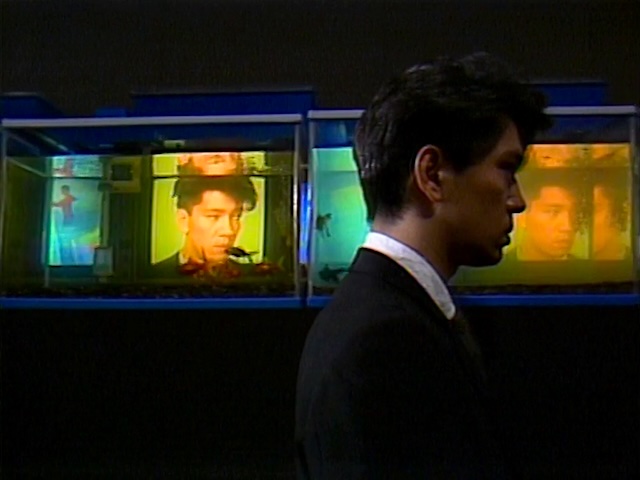
Nam June Paik feat. all stars
Philippe Perrin
Zbigniew Rybczynski
Smith/The Limiñanas
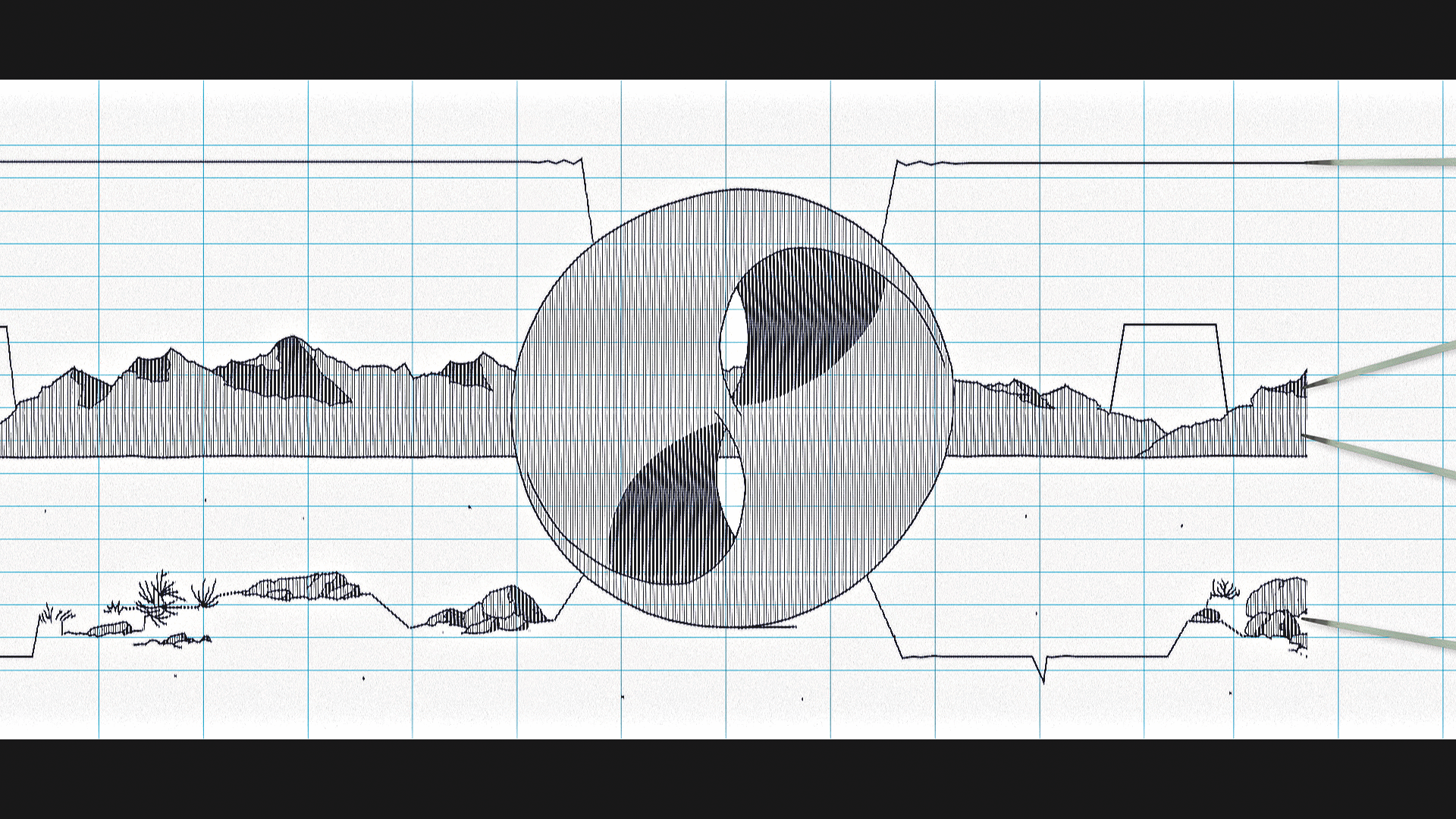
« When Chloé asked us to make the video for ‘The Dawn’, there were two parameters to the project : the album cover, depicting a modern sculpture in the heart of the desert, and the length of the track, around ten minutes. After analysing these elements, we decided to make a contemplative film inspired by Land Art. We imagined a sort of artistic seismograph synchronised to the music. The four hands create monumental installations in real-time in the middle of imaginary landscapes. When projected on a large screen, the film offers the spectator an immersive experience. »
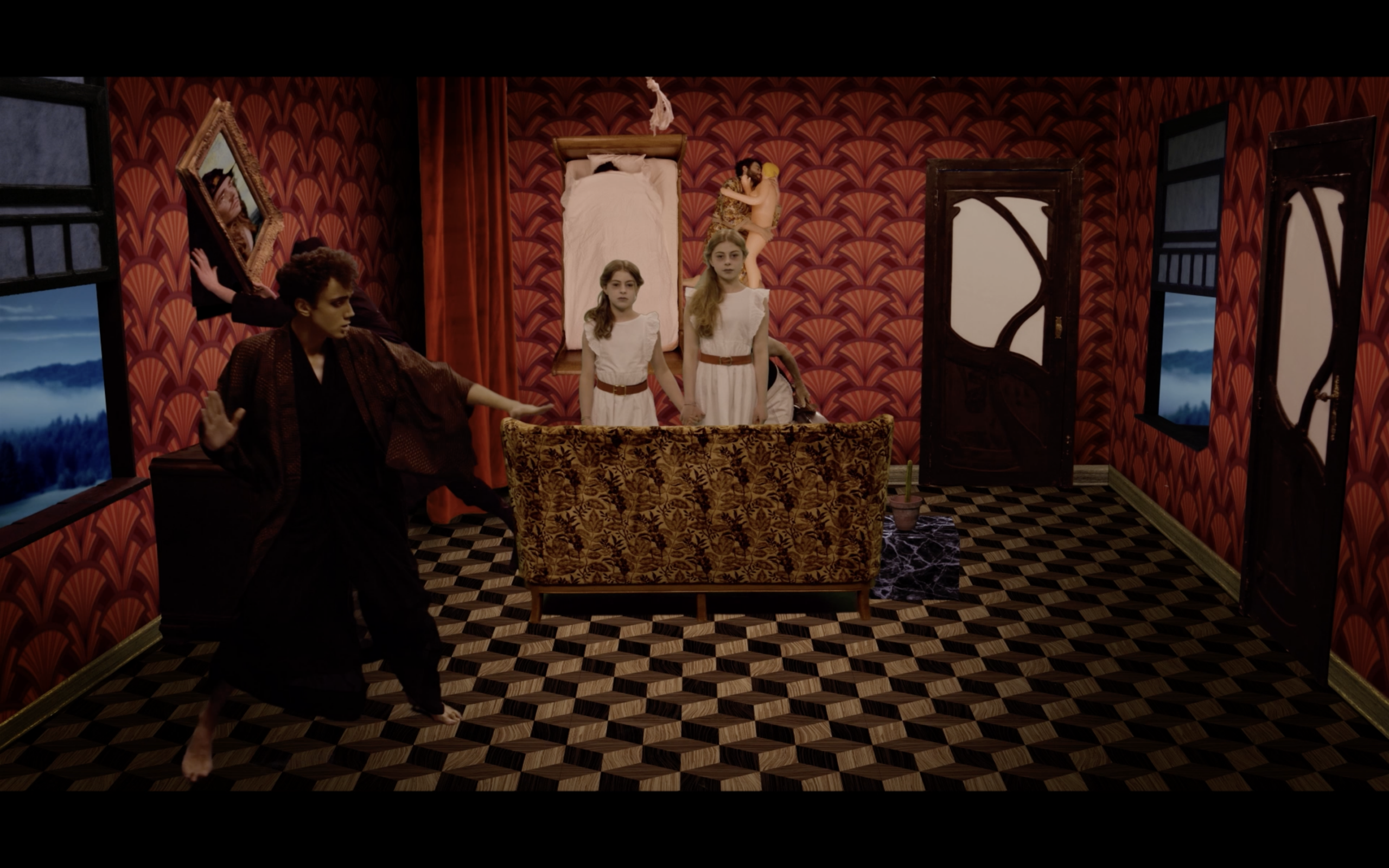
Crazy, such is the daily life of this family salon. This mystery box houses nymphet, twins in the style of Shining, aspiring maid, Jackie Chan or gentleman burglar. You can have fun spotting each of the band members in this orchestration where everything is upside down. All of this validates the adage: if you can’t enter through the door, go through the windows.
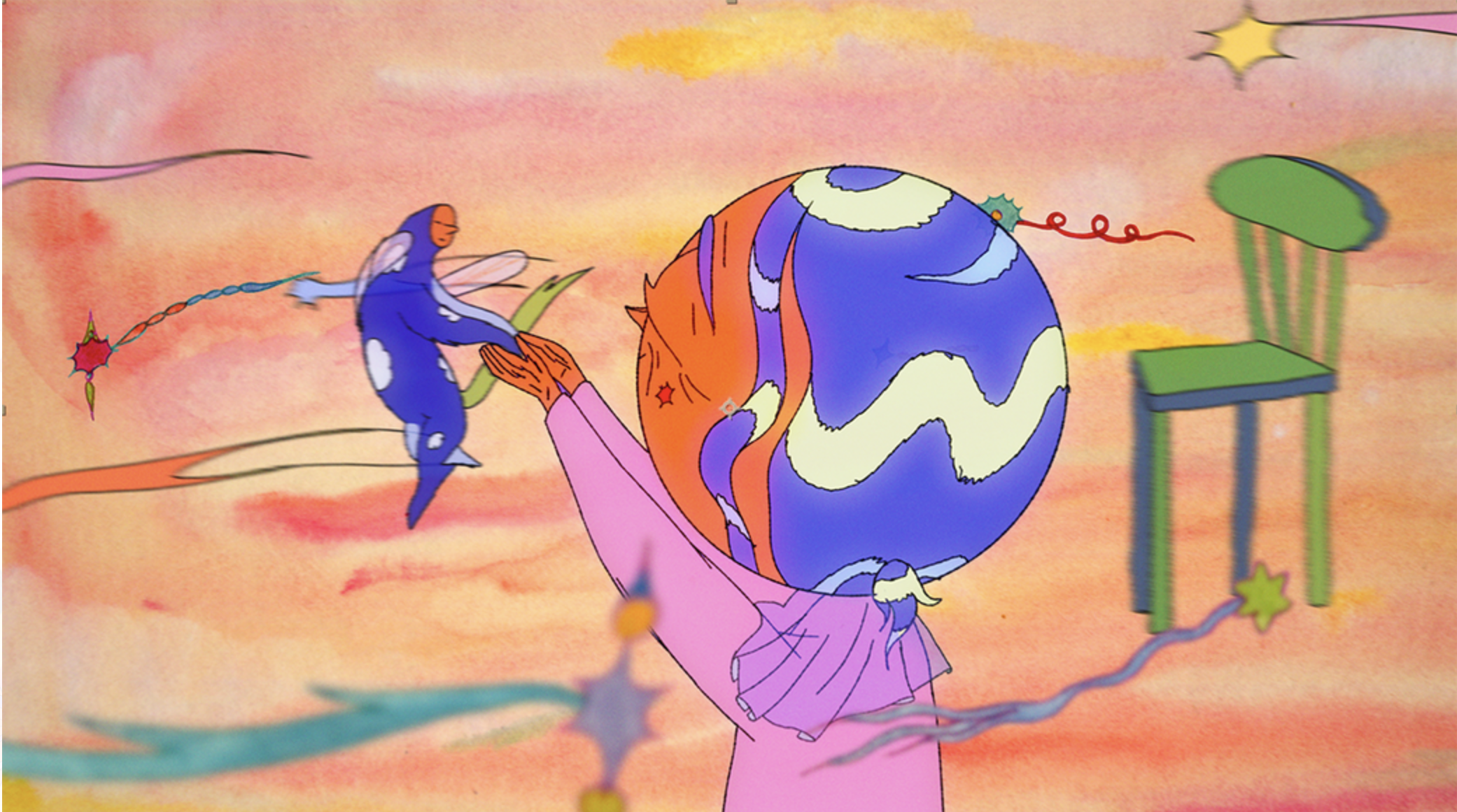
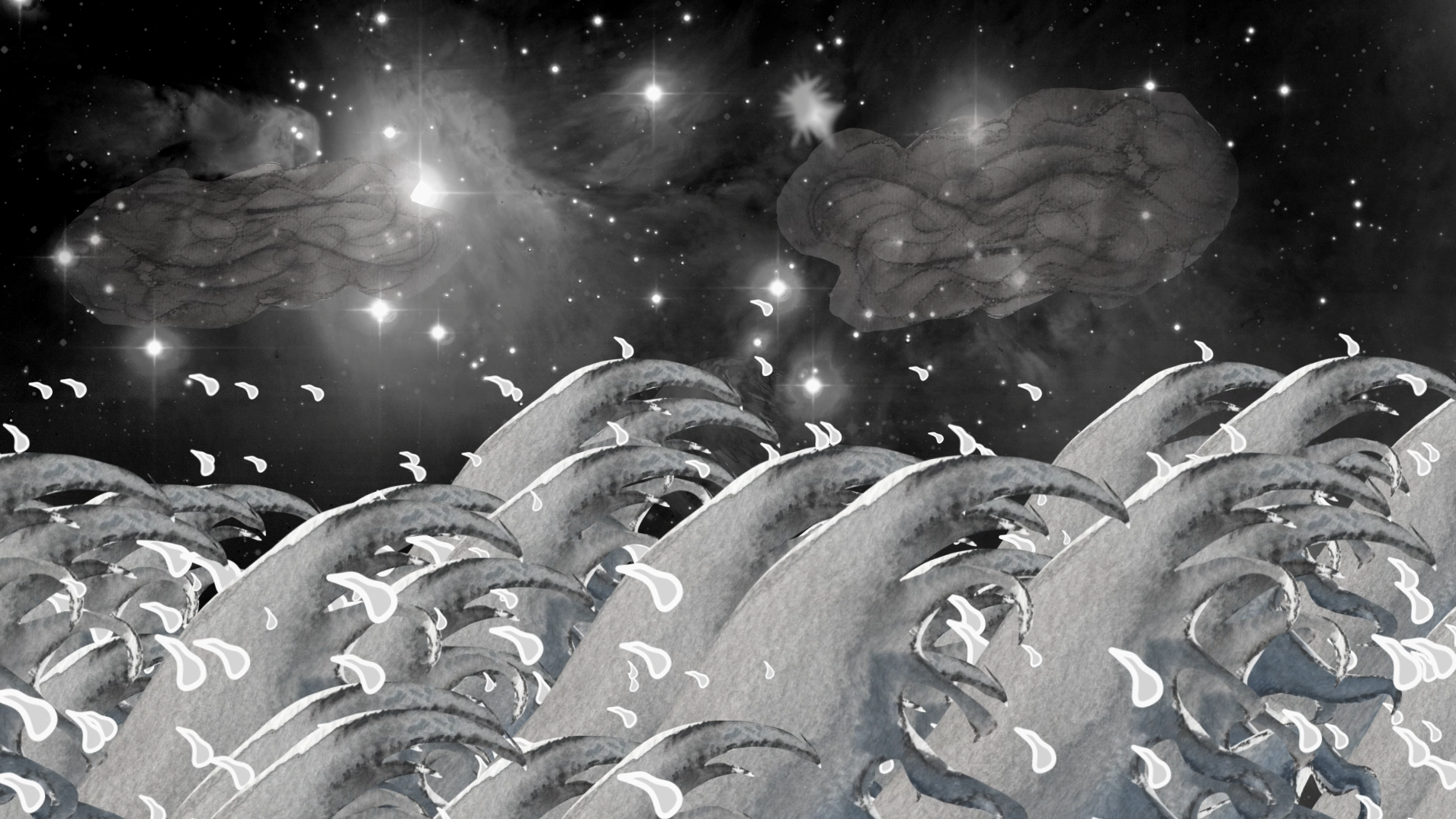
Composed of scanned watercolor paintings, this music video shows a creature living alone on an unknown planet.
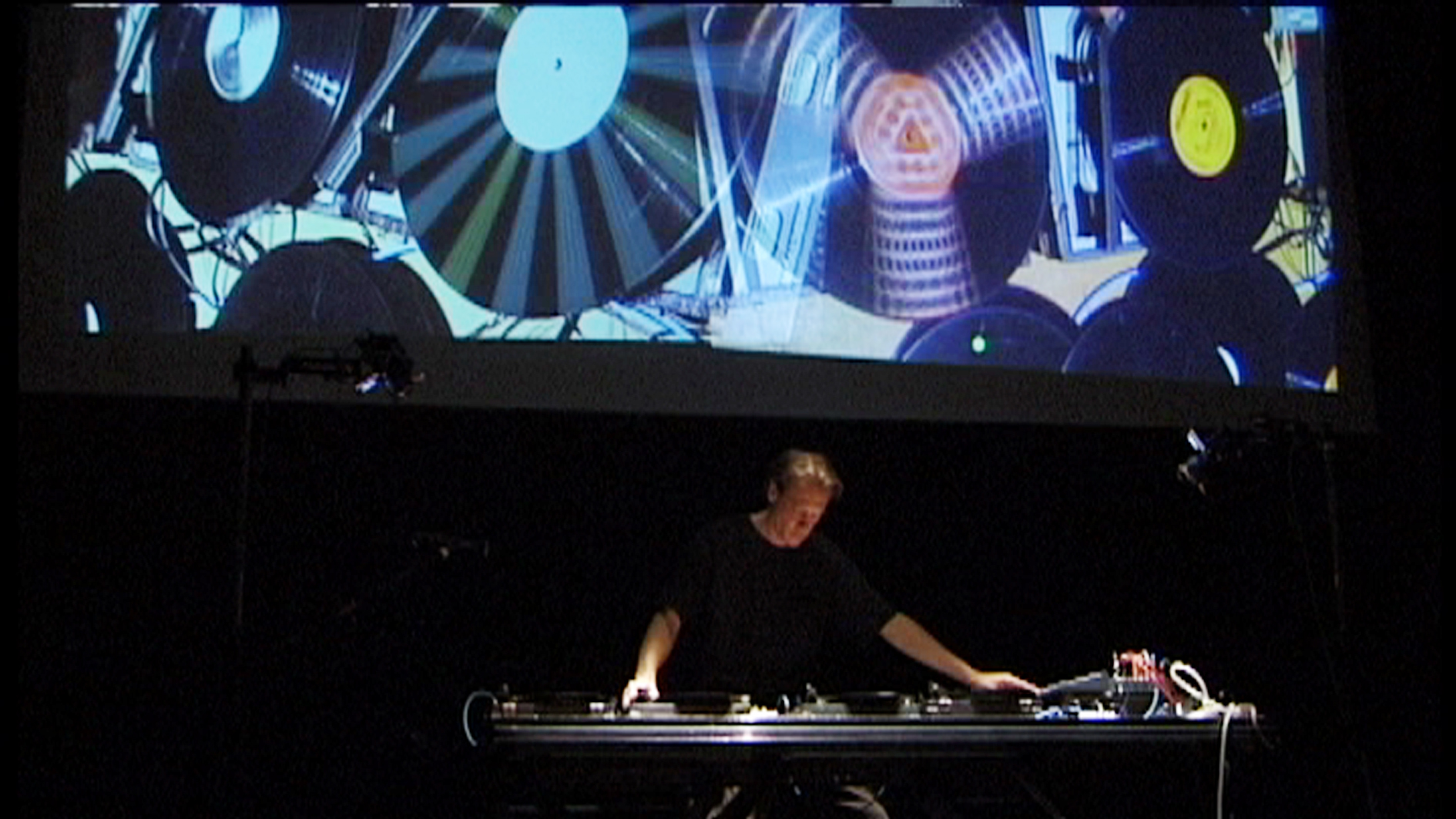
Record Player is a short documentary about Christian Marclay’s musical work. Through footage shot during rehearsals and concerts, this film explores the soundscape, techniques and ideas of this experimental artist. The footage shows Christian Marclay performing solo or with Sonic Youth (Lee Renaldo and Thurston Moore), Elliott Sharp and DJ Soulslinger, and DJ Olive and Erik M.
Jesse James died in 1882. At least, that is what History tells us.
An outlaw turned legend, a folk hero, a character in films and songs, Jesse James belongs to that troubled space where History becomes intertwined with its own legend.
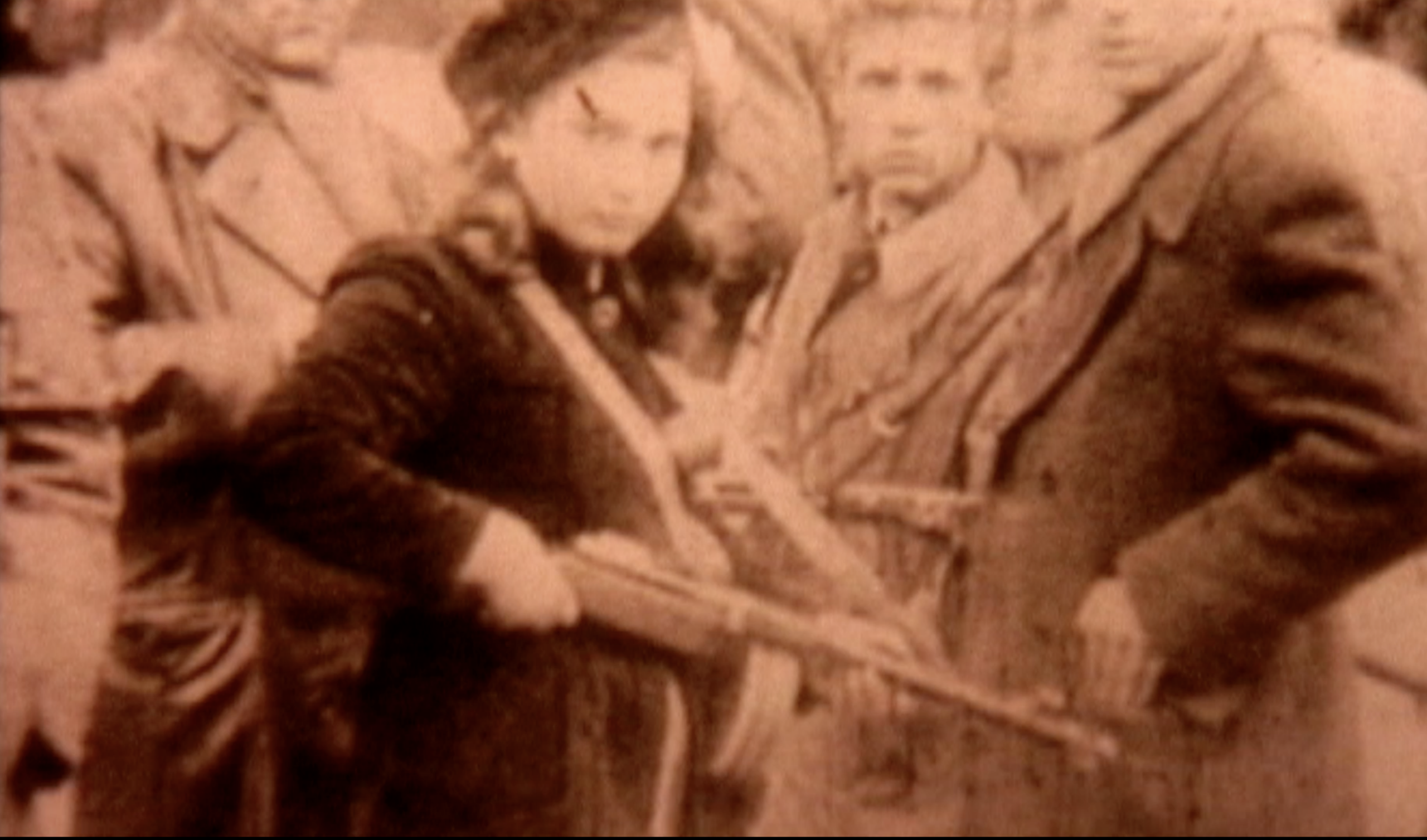
Here, Philippe Perrin reactivates this mythical figure and confronts him with a contemporary flow of words, signs, and images. The original American ballad resurfaces in the middle of the piece, like the persistent trace of a collective narrative.
With Jesse James, the artist continues a body of work begun in the 1980s, exploring representations of violence, criminal mythologies, and the codes of popular culture. Music and the music video in turn become artistic materials, a new space where reality, fiction, and memory become blurred.
Jesse James is asleep. He is not really dead…
|
TANGO (1980) is an Academy Award-winning experimental short film by Zbigniew Rybczyński aka Zbig Rybczynski. Set within a single room, the film unfolds as a meticulously choreographed, looped sequence. It begins with one boy retrieving a ball and builds until thirty-six characters from various stages of life interact in the same space, completely oblivious to one another. Moving in isolated loops, they create a mesmerizing ballet of everyday routines. Achieved through a highly complex optical printing process, the film explores the spatial and temporal boundaries of human existence. TANGO was awarded the Academy Award for Best Animated Short Film, cementing its enduring status as a masterpiece of avant-garde cinema. |
On a Sunday morning, a metamorphosis quietly stirs.